
If you’ve been searching for “pergola contractors near me,” you’ve probably noticed there are lots of options. Some specialize in outdoor living spaces, while others are general contractors. But the real challenge is finding the right one.
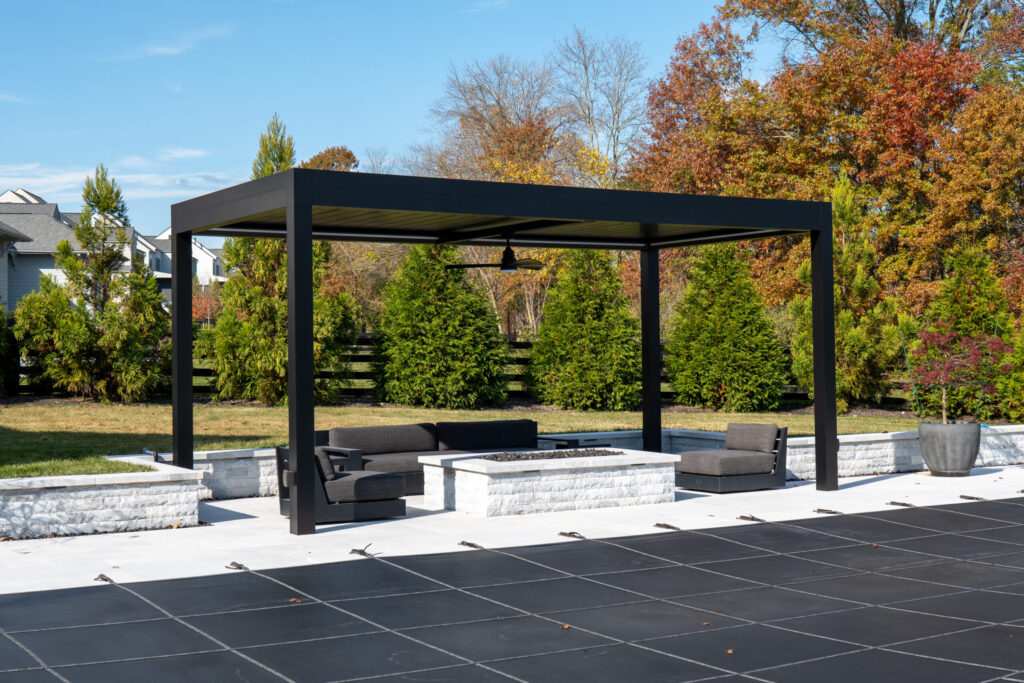
We’ve met homeowners who received three estimates that varied by more than $15,000 for a pergola. But the materials, construction methods, permits, and craftsmanship were different.
You may be looking for a simple shade structure for your backyard, a pergola over a patio, or a custom outdoor living area. We share our professional insights, so you can make an informed decision.
Start by Defining What You Want
Before you reach out to potential contractors, define your needs. A pergola can serve different purposes. It can create shade over a patio or define an outdoor dining area. Or, it adds visual interest to a backyard.
A well-built pergola connects a deck to the rest of the landscape. It can support climbing plants and vines, creating a green oasis.
For example, a homeowner in Fairfax wants a freestanding cedar pergola near a fire pit. On the other hand, a homeowner in Bethesda requests a large attached pergola with lighting, fans, and a finished outdoor kitchen underneath. This type of project costs significantly more.
Look for Contractors with Outdoor Living Experience
Outdoor structures must withstand rain, snow, wind, and sun exposure. Even so, they need to comply with local building requirements. This is why we highlight local experience.
When checking a contractor’s portfolio, look for projects involving pergolas, decks, patios, covered porches, and backyard living spaces. A contractor who has experience is more likely to address the challenges that come with Northern Virginia and Maryland weather conditions.
Check Local Experience
Every jurisdiction has different permit requirements, and navigating through them may be difficult for homeowners. Arlington County may have different setback requirements than Loudoun County. Plus, some HOA communities have stricter guidelines that require additional approval.
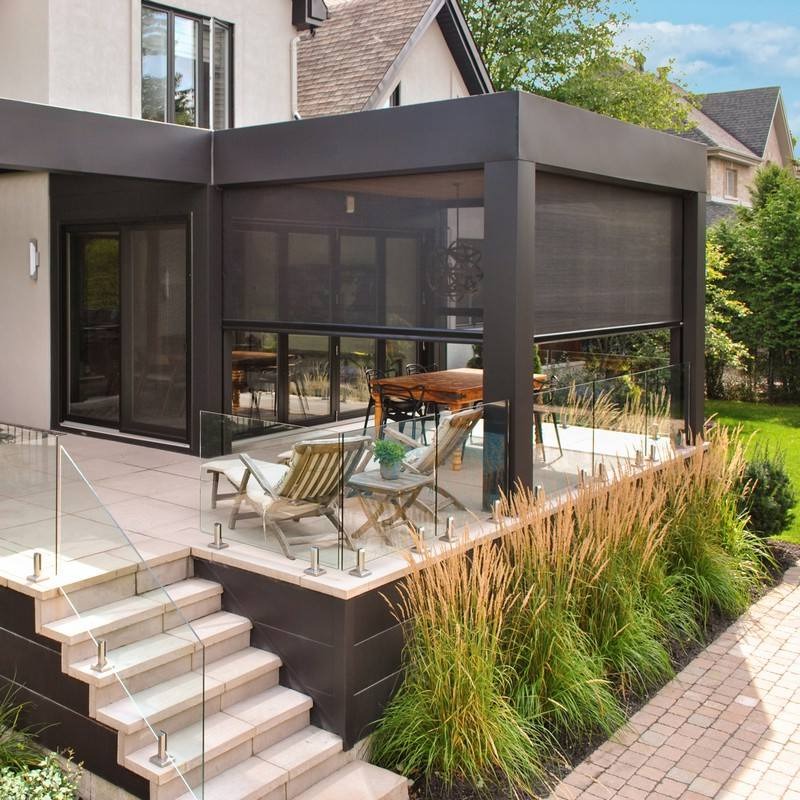
When a contractor isn’t familiar with the local requirements, this can affect the project’s timeline. Local experience helps keep the project on schedule.
Ask About Materials
The material you choose makes a huge difference. A quote that includes pressure-treated wood will be lower than one with aluminum.
Pressure-Treated Wood
Pressure-treated wood is an affordable option. It is common in Virginia and Maryland. The material is easily available, so there will be no delays in restocking. It is strong and durable, but only if you take good care of it. It requires regular sealing and staining.
Cedar
Cedar is a popular choice. It has a beautiful look and is resistant to insects. But be ready to pay more than for pressure-treated wood.
Vinyl
Vinyl is ideal for busy homeowners who want low maintenance. It doesn’t require staining and is durable. But it has fewer customization options.
Aluminum
Aluminum is used in modern homes and is loved for its contemporary look. With minimal maintenance and a long lifespan, it is a smart investment.
Review Their Design Process
A good contractor has a clear design process. During your first consultation, they should ask about how you use the pergola. Some homeowners want a shaded space for outdoor dining. Others want a structure that connects the house to a patio. The design should adapt to your needs.
The contractor also evaluates your property. They consider the yard size, sun exposure, drainage, landscaping, and HOA requirements. These details matter in Northern Virginia and Maryland.
Another thing to consider is how a contractor develops their designs. Some provide sketches. Others offer detailed 3D renderings. Seeing the design in advance helps avoid misunderstandings later.
Next, pay attention to how they discuss materials, dimensions, and customization. If a contractor suggests something, they should explain why it makes sense for your property. This helps you make informed decisions that align with your goals.
Ask for Detailed Estimates
When comparing estimates, you will come across different numbers. But don’t compare them based on the final price. A lower quote may be attractive at first, only to find out later that it doesn’t cover everything.
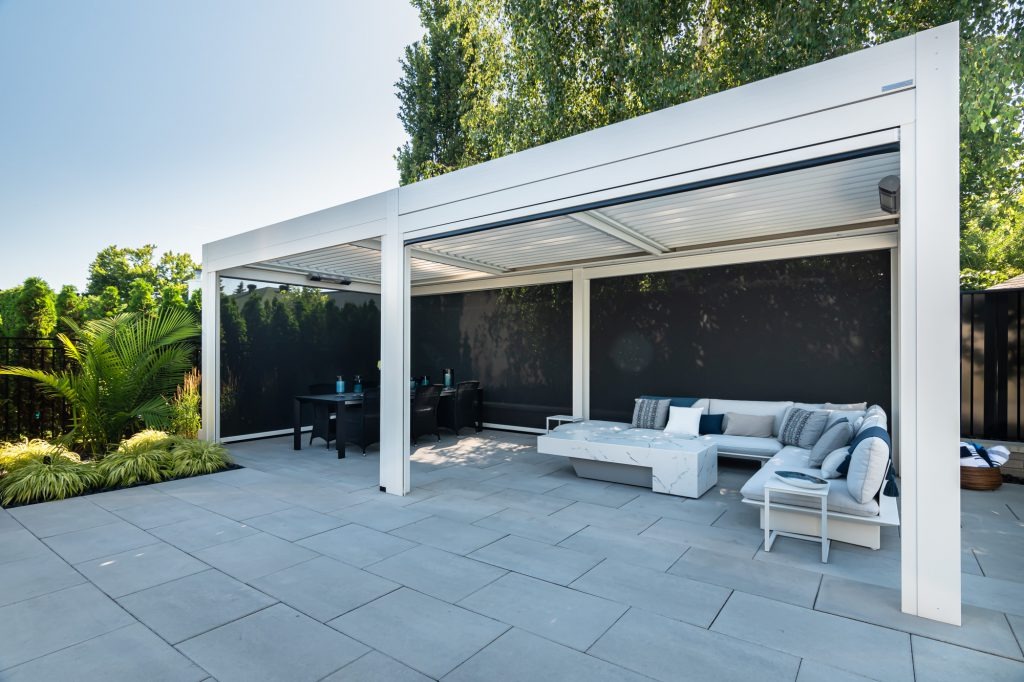
A professional pergola contractor provides a written estimate. It explains in detail what is included in the project. You can understand where your money is going.
The estimate usually breaks down the budget into materials, labor, site preparation, permits, and additional features.
For example, a homeowner wants a custom pergola. The quote explains the type of material being used, such as pressure-treated wood, cedar, vinyl, aluminum, or another option.
Another thing to keep in mind is understanding what’s included and what’s not. Some estimates cover the pergola structure but may lack permit fees and cleanup costs.
When reviewing the estimate, ask questions. A reputable contractor will answer every doubt you may have. If the offer is lower than the others, ask why. This may be due to lower-quality materials or leaving out important services.
Look Beyond Online Reviews
Online reviews are always helpful. You can check the star ratings and read comments. This gives you useful insight into how they communicate, manage projects, and handle customers.
But don’t stop here. Ask to see recent projects. Speak with past clients to understand more about their experience. Check how long they have been building pergolas.
Red Flags to Watch For
Shopping around for the best offer is fine. But be cautious of the extremely low estimates that differ from the others. This may mean there are differences in material quality, structural design, labor experience, and permits.
One of the biggest red flags is a contractor who provides a price without evaluating your property. Every yard is different. Factors such as grading, site access, existing structures, and utility lines all affect the design and installation process.
Also, be wary of companies that hesitate to provide references, examples of completed pergola projects, or proof of licensing and insurance. Experienced professionals are happy to share photos of past work.
Finally, read the contract in detail. It shouldn’t miss important details.
FAQ
It costs between $4,000 and $20,000 or more depending on size, materials, and site conditions. Large pergolas with lighting, electrical work, or attached features can cost more than that.
The right material depends on your needs and budget. Cedar is a balanced option, providing style and durability. Aluminum and vinyl are ideal for homeowners looking for easy maintenance.
The project timeline depends on the complexity. Most projects take between a few days and a few weeks. Design complexity, permitting requirements, site preparation, and weather conditions impact the completion time.
Final Thoughts
When searching for pergola contractors near me, the goal isn’t just to find the cheapest estimate. Finding a professional who understands your goals and can guide the project from start to finish is more important. Clear communication and local experience matter.
If you’re considering a pergola in Northern Virginia or Maryland, our team can help. Contact us now, and we will provide a free estimate.