
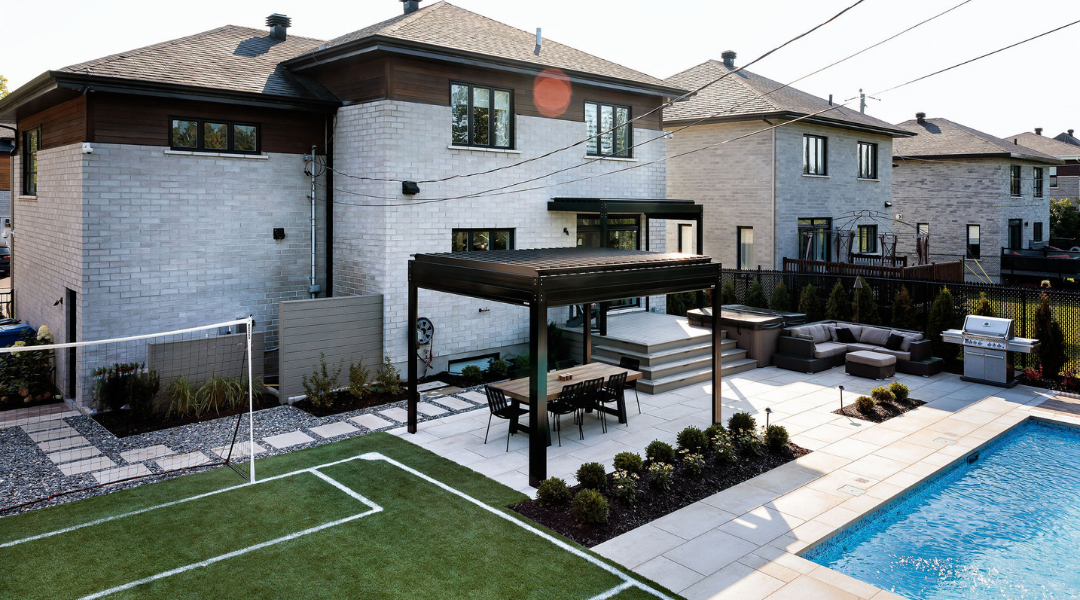
When installing patio screens for a Northern Virginia homeowner, we usually hear the same thing: “We want to use the patio more, but we don’t want to fight with the bugs,” and we completely understand that.
One of our clients in Fairfax had a beautiful covered patio with comfortable furniture, a grill, and plenty of space for family dinners. The problem was the mosquitoes. By July, they stopped eating outside altogether. We installed retractable screens around the patio, and the space quickly became their favorite part of the house.
Another homeowner in Vienna had a different priority. She wanted screens for her porch but did not want to deal with motors, switches, or electrical work. A manual roll-down system gave her exactly what she needed without adding unnecessary expense.
That is the real difference between manual vs. motorized patio screens. Both keep insects out. The better choice depends on how you use the space, how large the openings are, and how much convenience you expect.
Manual vs. Motorized Patio Screens: Cost
Price is the first major difference homeowners notice. Manual roll-down patio screens in Virginia typically cost $500 to $2,000 per standard residential opening. Large custom openings, oversized patio doors, specialty frame finishes, and upgraded mesh increase the price.
Motorized screens cost about $3,000 to $8,000 per opening, with square-foot pricing generally ranging from $20 to $75 per square foot.
A full patio or porch with two to four screened sides costs $8,000 to $25,000 or more. The final price depends on the size of the openings, electrical work, screen system, mesh, frame finishes, and local installation rates.
You’ll notice a huge difference in price. It turns out a manual screen is a straightforward system to operate.. You pull the screen down when you need it and roll it back up.
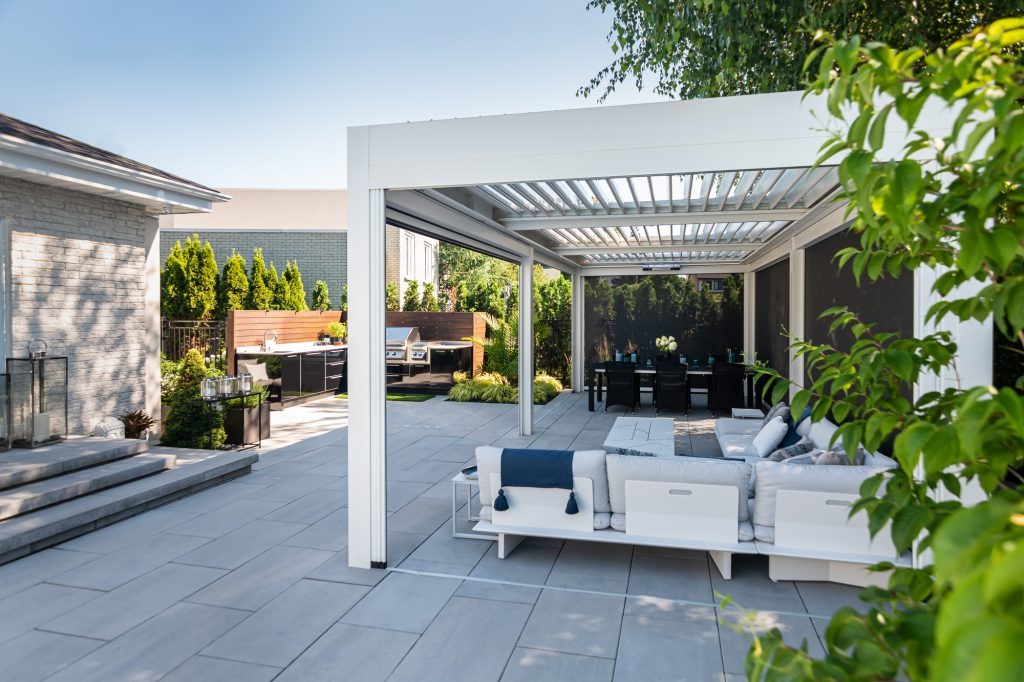
A motorized system includes a motor, controls, electrical connections, housing, and additional installation work. Basically, this is what increases the cost.
For example, a homeowner in Ashburn had three large openings around a covered outdoor kitchen. We talked about how they needed to pull down and secure three separate screens every time the family wanted to use the patio.
Motorized screens cost more, but the homeowner decided the convenience was worth the investment.
The real point is manual screens make sense for a small porch that is occasionally used. But for a large outdoor living area that the family uses every week, a motorized screen is a better fit.
Installation: Which Is Easier?
When comparing manual vs. motorized patio screens, manual ones have a simple installation process. The screen is mounted to the opening with its track, housing, or mounting hardware. There is no motor to install and no electrical connection to run. That keeps the installation straightforward.
Motorized screens require more planning. We measure every opening carefully, determine where the motor and screen housing will sit, and coordinate the electrical connection.
When building a new patio or screened-in porch, we plan for the system before construction is finished. Basically, this gives a cleaner installation and keeps wires and controls out of sight.
But installing a new system on an existing porch takes more attention. We look at the existing framing, available electrical access, ceiling height, and the space around each opening before recommending a system.
This is something we always pay attention to when working on older Northern Virginia homes. A porch in Alexandria or Arlington does not always have the same framing or electrical setup as a newer home in Ashburn or Bristow.
Ease of Use: Simple vs. Effortless
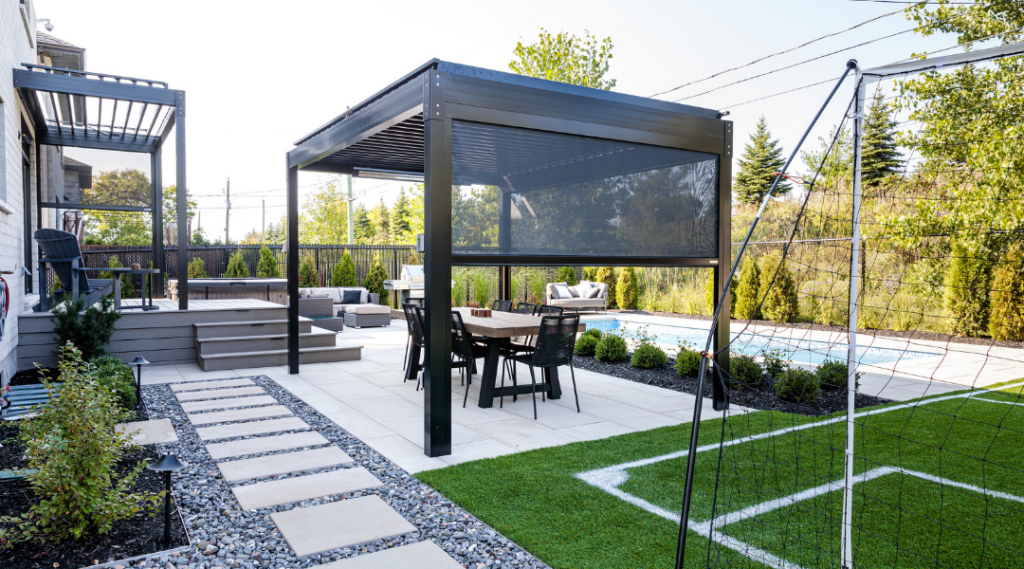
A manual screen is easy to operate and maintain. You simply walk over, pull it down, secure it, and do the opposite to open it. But with multiple openings, this takes time and effort.
Imagine sitting outside with friends on a summer evening in Fairfax. Mosquitoes start showing up, so you need to close three screens. You get up, walk around the patio, pull each one down, and secure each screen.
With a motorized system, you press a button. The process is effortless.
One of our clients in Springfield has a covered patio connected directly to the kitchen. The family uses it for dinner, morning coffee, and weekend gatherings. They chose motorized screens because they wanted to control the entire patio without interrupting what they were doing.
Durability and Long-Term Performance
Manual screens have a simple mechanism. Fewer mechanical components mean fewer things to service. But they still need some level of maintenance. The tracks need to stay clean, the mesh needs to be treated with care, and the screen needs to work properly.
Motorized systems have more working parts. That’s why they need regular maintenance. Proper installation matters because when the screen is correctly sized, aligned, and secured, it runs more smoothly and puts less stress on the components.
Manual vs. Motorized Patio Screens FAQ
Are motorized patio screens worth the extra cost?
Motorized patio screens are worth the extra cost for homeowners who use their patio frequently or have several large openings. With one button, you control the screens without walking around the patio. For smaller porches with one or two openings, manual screens provide reliable insect protection at a much lower price.
How long do patio screens last?
A quality patio screen lasts for years with proper installation and care. Manual systems have fewer mechanical parts, while motorized systems include motors and electrical components that require additional maintenance. Keeping the tracks clean, retracting screens during severe weather, and operating them properly helps protect the mesh and hardware.
Do patio screens keep rain out?
Patio screens primarily protect against insects, while their ability to block rain depends on the screen material, patio design, and weather conditions. Standard mesh does not create a waterproof barrier. During heavy Northern Virginia storms, we recommend retracting the screens and keeping them protected until the weather passes.
Final Thoughts
When we’re talking about manual vs. motorized patio screens, the difference comes down to how much convenience you want and how much you are willing to invest. Still, both turn an exposed outdoor area into a more comfortable place.
Manual screens keep the system simple. That’s why they cost less. Motorized screens bring convenience, especially when you have multiple openings or a large outdoor living area.
As Northern Virginia contractors, we look at the whole space before recommending one. We consider the size of the openings, how your family uses the patio, the existing structure, electrical access, and the weather exposure.
If you’re planning an outdoor living upgrade in Virginia, talk with our team before choosing your screen system. We will measure the openings, review your options, and recommend the setup that fits your home and the way you actually use your outdoor space.
Contact us today for a free estimate.